The Evolution of Eiderdown: Icelandic Traditions, Modern Insulation, and Textiles

Explore the historical significance of eiderdown in Nordic textile crafts and how modern manufacturing balances heritage with sustainability. This piece traces material science, traditional weaving, and contemporary bedding applications across Icelandic and Nordic contexts.

From Sea-Coasts to Loft: A History of Eiderdown

Eiderdown has long held a premier place in Nordic bedding, prized for its extraordinary warmth-to-weight ratio, loft, and breathability. In Iceland and among broader Nordic communities, eiderdown was not merely a luxury; it was a practical solution to the brutal arctic climate. Traditional craftsmen harvested and processed down with reverence for the birds and ecosystems that sustain them. This heritage is visible in blankets, quilts, and bedding sets that carry the mark of time—handed-down techniques, hand-sewn seams, and an intimate understanding of how to trap heat without sacrificing airflow.

The craftsmanship surrounding eiderdown evolved alongside textile technologies. Early Nordic weavers learned to weave shells that would not trap moisture, while stitch patterns and box constructions were refined to ensure loft remained consistent night after night. As modern factories began to scale production, the challenge became preserving the soul of these traditions while meeting the criteria of mass-market demand, ethical sourcing, and environmental stewardship.

In contemporary storytelling, eiderdown is more than a filling; it is a narrative bridge linking Arctic identities with global luxury bedding. Brands like Downright and Sferra, among others, emphasize heritage-informed sourcing and meticulous craftsmanship. They spotlight Responsible Down Standard (RDS) certification, which signals humane animal welfare practices and traceable supply chains. The moral arc of eiderdown rests on balancing centuries-old knowledge with modern ethics and sustainability.

Material Science: What Makes Eiderdown Unique?

The hallmark of eiderdown is its unique microstructure. Each down cluster is an intimate, hollow fiber that traps warm air, creating a natural insulating barrier. The loft—the ability to trap air and maintain volume—depends on both the quality of the down and the construction of the shell. In the Nordic context, eiderdown often sits alongside other premium fillings, including goose down and hypoallergenic blends, each with distinct fill powers and thermal profiles.

Modern insulation blends leverage eiderdown in several ways. Some products opt for a premium eiderdown fill, while others use a hypoallergenic blend designed to mirror the warmth and resilience of true eiderdown while improving care and durability. The balance between loft and warmth is achieved through box constructions, baffled compartments, and stitch-through or stitched-box designs that prevent migration and maintain even distribution of fill.

Certification standards matter. The Responsible Down Standard (RDS) is a critical signal of responsible sourcing and animal welfare. It ensures that down is harvested in ways that minimize harm and maximize animal welfare, while also supporting transparent traceability. For consumers, this certification is a compass pointing toward ethical luxury and sustainable practice.

Three Key Figures Across Time

1) Anya Bjornsdottir (late 19th century)

Anya was a textile artisan in rural Iceland who cataloged traditional eiderdown processing methods. Her journals documented how careful shell selection, careful drying, and gentle fluffs could sustain loft across generations. Anya’s notes offer a window into the daily rituals of fabric making that kept Nordic warmth alive through long winters.

Note: Historical narratives and archival references illuminate early techniques and regional practices.

2) Gunnar Eide (mid-20th century)

A Scandinavian textile engineer who helped translate age-old down craftsmanship into modern manufacturing. Gunnar’s work focused on optimizing loft retention while improving washability and resilience—pioneering a blend of tradition with the burgeoning standards of industrial production.

Note: His reports helped brands harmonize heritage with quality control.

3) Runa Sigurðardóttir (late 20th century – ongoing)

A curator and textile historian who has championed Nordic textile heritage in public institutions. Runa’s work emphasizes archival sourcing, museum collaborations, and the ethical layering of new technologies with ancient weaving patterns. Her scholarship helps translate the mystique of eiderdown into accessible knowledge for contemporary readers.

Note: Modern scholarship anchors cultural memory in credible sources.

Modern Insulation: Nordic Craft Meets Global Markets

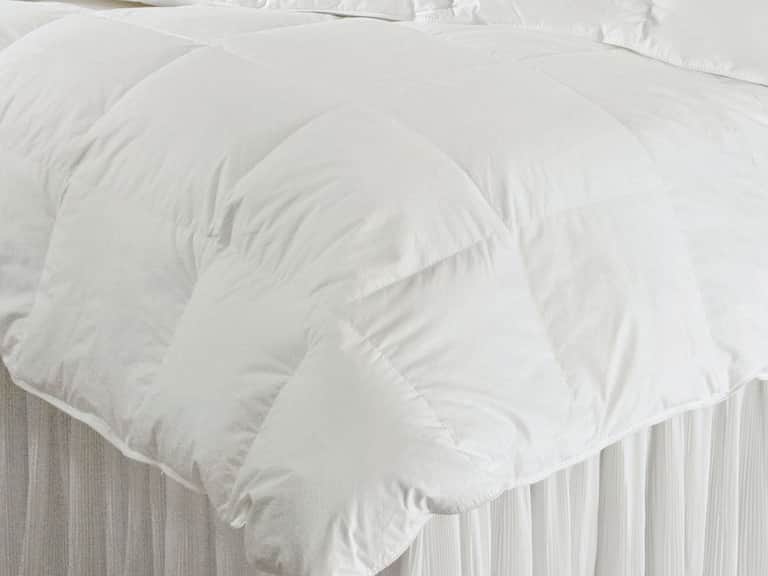
In the modern bedding ecosystem, eiderdown sits among a spectrum of insulation options. Denali Arctic—featured as a Denali Arctic Comforter with 800-fill hypo-down and gathered box construction—shows how contemporary products translate heritage loft into mountaintop warmth. Designed for cold sleepers and very cool bedrooms, it demonstrates how technology and traditional ethics can converge in a single product.

The Denali Arctic Comforter uses a blend approach—70% white goose down and 30% milkweed fiber—combining performance with natural hypoallergenic properties. The result is a warm, breathable experience that remains comfortable across seasonal variations. For readers who value sustainability, such layers matter: milkweed fiber contributes to eco-friendly materials, while RDS certification signals responsible sourcing.

In addition to down-focused products, the modern marketplace includes down alternatives and blends. The Ecco Comforter by Downtown Company, for instance, showcases wood cellulose fiber fill (Lyocell/Tencel options) as a premium alternative with moisture management and temperature regulation. This diversification allows consumers to tailor warmth and breathability to their own sleep environments, while still appreciating Nordic design sensibilities.

Cultural Pillars: Pillars of a Nordic Textile Archive

Drawing from the official structure of icelandiceiderdown.com’s proposed identity, this article anchors its exploration in three pillars: history, technique, and ethics. History travels through archival sources and museum-driven narratives; technique peels back the craftsmanship of weaving, fineness of shell fabrics, and construction methods; ethics connects to RDS and the broader imperative of sustainable, humane production.

  • History: Tracing the evolution of eiderdown from coastal foraging practices to luxury bedding staples, with regional variations across Iceland, Greenland, Norway, and Sweden.
  • Technique: Examining the interplay of shell fabrics, fill powers, baffle-box designs, and stitching methods that maintain loft while ensuring durability and washability.
  • Ethics: Highlighting RDS certification, sustainable farming practices, and transparent supply chains that respect both animals and ecosystems.

These pillars are not abstract concepts; they inform a practical, reader-friendly experience. They translate into feature essays, interviews, archival explorations, and curated reading lists—creating a knowledge-rich ecosystem for readers who crave depth and context in the world of Nordic textiles.


A Call to Explore Nordic Textile Heritage

The evolution of eiderdown embodies a bridge between history and contemporary sustainability. By embracing archival insights, rigorous material science, and ethical manufacturing, icelandiceiderdown.com can offer readers a nuanced, engaging exploration of Nordic insulation, textiles, and the enduring appeal of warmth.

Interested in a concrete content plan? I can draft pillar topics, sample article headlines, and a mock homepage layout tailored to Direction B—Nordic Textile & Craft Heritage Resource.

For now, the journey through history, technique, and ethics invites you to imagine Icelandic looms in frost-lit workshops, eiderdown lofts rising like soft clouds, and a modern industry that honors tradition while protecting our planet.

Sustainable Craft, Timeless Comfort

Sustainability is not a trend but a responsibility woven into every stage—from sourcing to finishing. Eiderdown remains a model of natural insulation when produced with care, and modern fibers offer comparative options that honor animal welfare without compromising comfort. In Icelandic and Nordic contexts, the collaboration between tradition and innovation has yielded products that meet today’s ethical standards while preserving the quiet luxury that eiderdown represents.

The Denali Arctic Comforter demonstrates how an 800-fill power hypo-down blend can achieve a mountaintop loft with a breathable cotton shell, delivering warmth without bulk. Its 70/30 fill ratio invites contemplation about the potential of natural fibers and recycled or plant-based components, including milkweed fibers, to contribute to a more sustainable future.

In examining modern market players, readers see a spectrum of options—from traditional goose down to innovative downsides like down-alternative blends and Lyocell-based comforters. Each choice reflects a different balance between warmth, weight, breathability, and ecological footprint. This spectrum invites readers to select bedding that aligns with personal comfort and environmental values.

Related Products

Denali Arctic- Best for: Cold Sleepers & Very Cool Bedrooms

Ogallala Comfort

Denali Arctic- Best for: Cold Sleepers & Very Cool Bedrooms

Experience mountaintop warmth without overheating: hypoallergenic Denali blends 800-fill power goose down with milkweed fiber for breathable loft, moisture control, and even heat across a soft, 460-thread cotton shell.
DownTown Company Villa Goose Down Comforter

DownTown Company · No. TCB-COMFORTER-MADISON

DownTown Company Villa Goose Down Comforter

Enjoy year-round, breathable warmth with plush European white down that stays light and lofty. Even 10" box construction, soft 330 TC cotton cover, and double-stitched piping keep loft steady and cozy for a clean, durable sleep cocoon.
Euro Decorative Pillows

Ogallala Comfort

Euro Decorative Pillows

Luxuriously soft and breathable, these Euro Pillows offer loft and balanced support for reading, lounging, or layering, while staying shape-retentive and hypoallergenic for easy care and year-round comfort.

Theme